

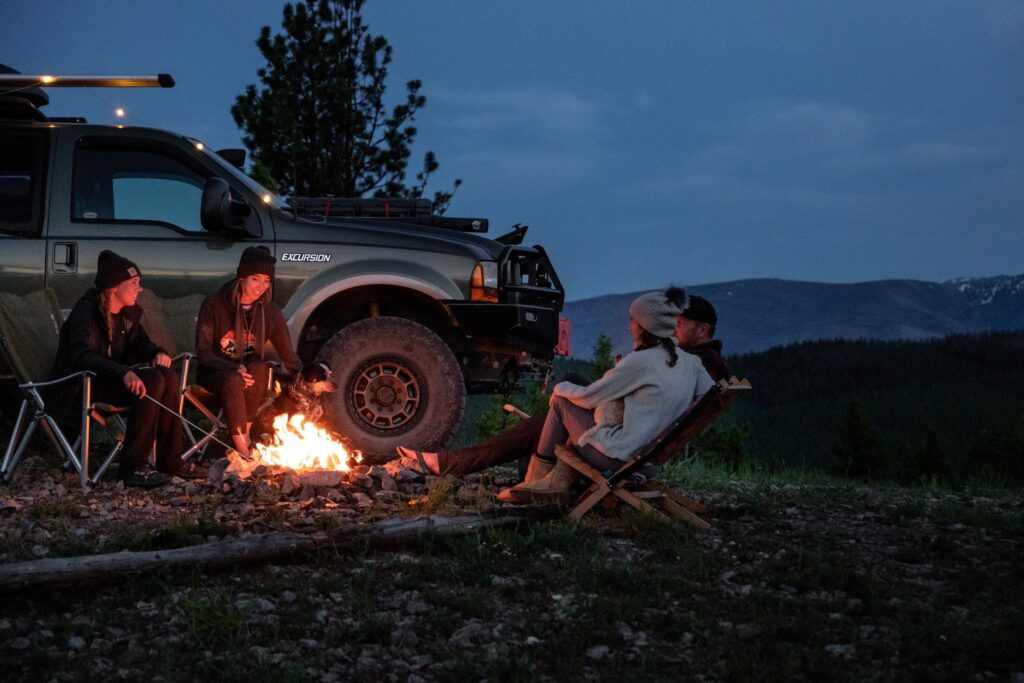
Here are 10 camping tips that everyone should know before venturing into the mountains
- Keep Your Clothes Warm at Night
Before you drift off to sleep, store your clothes for the next day inside your sleeping bag. Your body heat will keep them warm, and you won’t have to put on cold clothes in the morning.
- Use a Headlamp Instead of a Flashlight
A headlamp allows you to cook, set up camp, or move around the campsite without using your hands. It is much safer and more convenient than using a flashlight.
- Layer Your Sleeping Arrangement
Do not just use a sleeping bag. Add:
- A ground mat or foam pad
- An insulated sleeping bag
- A small pillow or a rolled-up jacket
The insulation provided by the ground makes a world of difference in cold mountain camps.
- Store Clothes in Zip Bags
Organize your clothes into waterproof zip-lock bags. This will keep them dry and organized, especially in case of sudden rain.
- Bring Duct Tape
Duct tape can be used to repair almost anything, from torn tents to broken straps, shoes, or other camping gear. You can even wrap it around your water bottle to save space.
6. Pack Essentials in One Small Bag
Pack your headlamp, portable charger, lip balm, medications, and snacks in one small bag that is easily accessible. No need to dig through your entire backpack in the dark.
- Stay Hydrated – Even in Cold Weather
Thirst may be quenched by cold weather, but your body still needs hydration. Drink regularly to resist fatigue and headaches.
- Keep Food Away from Wildlife
Pack your food in airtight containers and store them away from your campsite, as even small creatures can sniff out food from a distance.
- Be Smart About Tent Placement
Pitch your tent on slightly higher ground to avoid water accumulation in case it rains. Also, avoid camping directly under loose rocks and dead tree branches.
- Always Leave No Trace
Pack your trash with you, avoid damaging plants, and leave the campsite as you found it. Nature is for everyone, so respect it.

Final Thoughts
Camping is all about freedom and adventure, but with proper planning, camping can be a comfortable and safe experience. Sometimes, it’s the smallest tips that make a huge difference in the mountains.
Planning your next camping adventure?
Trek smarter. Camp better. Explore further.